Publications
Search
Categories
Latest publications
Published - Fri, 26 Jun 2026
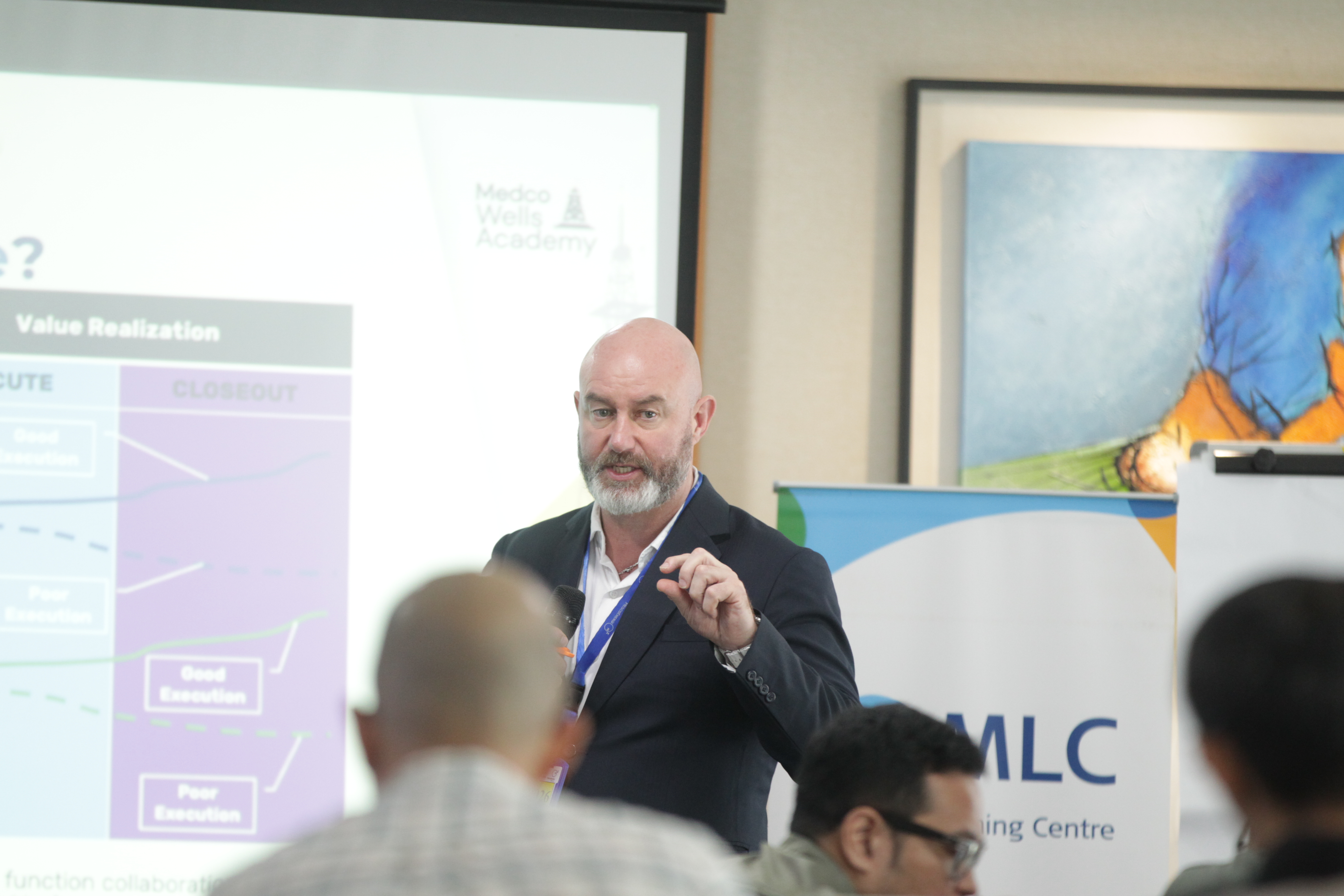
Why Fluent English is No Longer Optional in a Global Workplace
"I Can Do the Job" Isn't Enough Anymore
Today, even local companies are working with international clients, global systems, and cross-border teams. Yet many professionals still treat English as optional. Something to "improve someday." Not a core skill they need right now.
Think about it:
- A marketing manager in Jakarta now reports metrics to a regional director in Singapore.
- A finance analyst reviews reports written by a team in Manila.
- A startup founder pitches investors who only speak English.
None of these people work for a "foreign company" in the traditional sense but English has quietly become the default operating language of modern work.
The mistake most professionals make is assuming English only matters if you work abroad or for a multinational. In reality, the global workplace has come to you, whether your job title mentions it or not.
The Uncomfortable Truth.
The challenge is no longer just "Can you do the job?" It's also "Can you collaborate, present ideas, and communicate effectively in a global environment?”
Picture this:
- You're in a regional Zoom call. Your manager asks you to walk the team through a project update. You know the data cold, you built the report yourself. But the moment you switch to English, your sentences get shorter. Confidence drops. The sharp insight you had in your head comes out sounding vague. Someone else, with a weaker idea but stronger English, gets the credit. And the follow-up questions. This isn't a one-time embarrassment. It's a pattern that quietly compounds: You get passed over for the client-facing project You stay silent in meetings, not because you lack ideas, but because translating them live feels risky You watch colleagues with less experience get promoted into regional roles, simply because they're comfortable presenting in English Recruiters scroll past your profile when "fluent English" is listed, even when your technical skills are a perfect match
The real cost isn't grammar mistakes. It's lost visibility, lost opportunities, and a ceiling on how far your expertise can take you in a job market where talent can now be sourced from anywhere in the world.
Here's the shift in mindset that changes everything:
Fluent English is no longer about sounding impressive. It's about staying relevant, adaptable, and competitive in a global workplace.
You don't need to sound like a native speaker. You need workplace-ready English with the ability to explain an idea clearly in a meeting, write an email that gets a fast response, or answer a tough client question without freezing up.
A simple example like struggling to explain an idea in a regional meeting says more than any grammar rule ever could. That's the gap practical English training is built to close. Not textbook drills real scenarios. How to open a presentation with confidence. How to disagree politely with a stakeholder. How to summarize a complex idea in three sentences instead of ten.
That's the difference between studying English and training for the English you actually use at work. One builds vocabulary. The other builds career capital.
The Real Question to Ask Yourself
It's not "Is my English good enough?" It's "Is my English holding me back from the opportunities I'm actually qualified for?"If the answer makes you pause, that pause is worth acting on — because in a workplace that's only getting more global, the gap between professionals who communicate confidently in English and those who don't will keep getting wider, not smaller.
Repost this if someone on your team needs to read it.